
More families are choosing to live together under one roof. Grandparents, parents, and kids all sharing space sounds great in theory. Making it work requires thoughtful multigenerational home design that gives everyone what they need.
The Hyde Group LLC builds custom homes throughout the Treasure Coast, where families want spaces that work for multiple generations. Creating successful multigenerational home design means balancing privacy with togetherness and independence with connection.
Understanding Multigenerational Living Needs
Living with multiple generations isn’t just about adding extra bedrooms. Different generations have different routines, different needs, and different ideas about personal space. Your teenager’s sleep schedule doesn’t match grandma’s. Parents working from home need quiet. Kids need room to play.
The goal is to create a home where everyone can live comfortably without constantly getting in each other’s way. That requires planning spaces that serve specific purposes while maintaining the feeling of one connected household.
Custom home builders who understand these dynamics design floor plans that anticipate daily life with multiple generations. You’re not just building a bigger house. You’re creating a home that functions for different life stages happening simultaneously.
Private Suite Configurations
The most successful homes for multiple generations include true private suites, not just bedrooms down the hall. A private suite gives family members their own space to retreat when they need quiet or independence.
A proper private suite includes more than a bedroom and bathroom. You need a small sitting area at a minimum. Many families add kitchenettes with a sink, microwave, and small refrigerator. This lets grandparents make coffee in the morning without walking through the entire house. It gives adult children independence while living at home.
Essential private suite elements:
- Separate entrance when possible for true independence
- Full bathroom with walk-in shower
- Sitting area with comfortable seating
- Closet space sized for actual needs
- Kitchenette or wet bar for basic needs
- Sound insulation from main living areas
Location matters as much as what’s in the suite. Ground floor placement works better for older family members who might struggle with stairs. Positioning the suite away from high-traffic areas reduces noise. Giving it a view or outdoor access adds quality of life.
Flexible Floor Plan Strategies
Families change. Kids grow up. New babies arrive. Parents’ age. Your home needs to adapt without requiring major renovations every few years.
Flexible floor plans use spaces that can serve different purposes as needs shift. A nursery becomes a home office when kids get older. A playroom transforms into a study space for teenagers.
The key is designing rooms with flexibility built in from the start. Adequate electrical outlets. Good lighting. Proper size to function in multiple ways. Custom home renovations often happen because homes weren’t designed with flexibility in mind initially.
Flexible space approaches include the following:
- Rooms sized to work as a bedroom, office, or sitting room
- Plumbing rough-ins where you might add bathrooms later
- Electrical capacity to handle changing technology needs
- Doorways wide enough for future accessibility
- Neutral finishes that work for any purpose
Bonus rooms give you space that doesn’t have a fixed purpose from day one. You decide what you need it to be based on current circumstances. That extra room on the second floor might be a playroom now and guest quarters in ten years.
Shared Living Spaces
While private areas matter, you also need spaces where the whole family naturally gathers. These shared areas need to accommodate different activities happening at once.
Your main living area should be large enough that multiple conversations can happen without everyone talking over each other. Creating conversation zones within one larger space lets different groups interact or separate as needed.
Dining areas in multigenerational homes need to seat everyone comfortably. Holiday meals bring the whole family together. Daily dinners might be smaller groups. Your table and surrounding space should handle both situations without furniture rearrangement every time.
Outdoor living spaces extend your shared areas in Florida’s climate. A covered patio with ceiling fans becomes a gathering spot that doesn’t heat up your house. Screened areas protect from insects while letting you enjoy fresh air. These spaces give the family room to spread out beyond interior walls.
Creating Privacy Within Open Layouts
Modern homes favor open floor plans, but homes for multiple generations require thoughtful privacy even within open spaces. You need ways to create separation without building walls everywhere.
Strategic furniture placement creates boundaries that feel natural. Positioning a bookshelf or console table between areas provides visual separation. These boundaries help different activities coexist without interference.
Privacy strategies that maintain openness:
- Partial walls that define spaces without full closure
- Furniture arrangements that create natural boundaries
- Sound-absorbing materials in ceilings and floors
- Different flooring materials marking space transitions
Accessibility Features for All Ages
True accessibility helps everyone, not just older family members. Features that make life easier for grandparents also help parents carry groceries or kids learn to navigate spaces safely.
Wide doorways accommodate wheelchairs, walkers, and strollers. Zero-threshold entries mean no one trips over raised door frames. Good lighting prevents falls and makes tasks easier for aging eyes.
Universal design elements include:
- Lever door handles instead of round knobs
- Non-slip flooring in bathrooms and wet areas
- Adequate lighting on stairs and transitions
- Shower seats that fold when not needed
These features integrate into custom homes without looking institutional. Good design makes accessibility invisible.
Outdoor Spaces for Different Generations
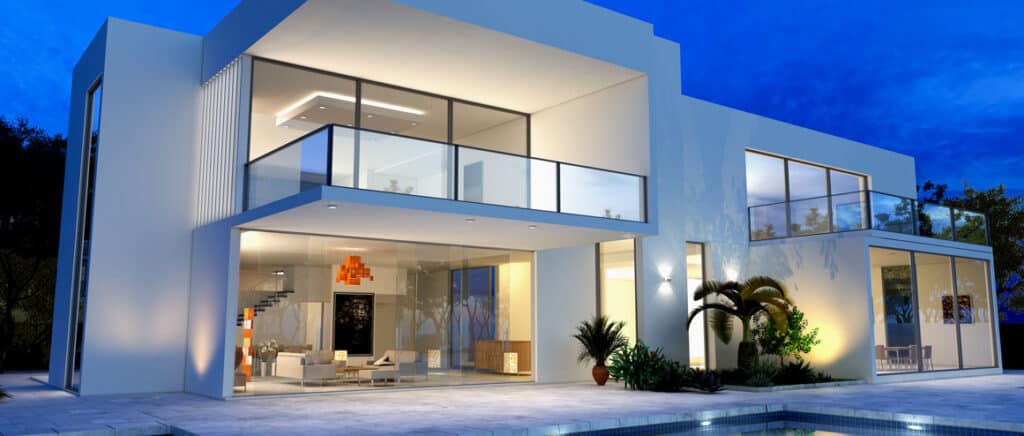
Florida’s weather makes outdoor living spaces essential to homes designed for extended families. These areas give family members places to spread out beyond the house’s four walls.
Different generations use outdoor spaces differently. Grandparents might want a quiet sitting area for morning coffee. Kids need room to play actively. Parents appreciate an entertaining space for gatherings.
Covered patios provide shade and weather protection. Ceiling fans make these spaces usable even in Stuart’s heat. Different seating zones let activities happen simultaneously.
Making Multigenerational Design Work
Successful multigenerational home design comes from honest conversations about needs before construction starts. What matters most to each generation? Where do your routines conflict? What spaces will you share versus keep separate?
Working with The Hyde Group LLC means discussing these realities upfront. Your builder should ask questions about daily routines, privacy needs, and how your family actually lives together. Generic floor plans don’t work for multigenerational households. You need a custom design based on your specific family.
The best multigenerational homes feel like one cohesive space while providing genuine privacy and independence. You’re not building two houses stuck together. You’re creating one home designed to support different needs simultaneously.
Ready to discuss multigenerational design for your Stuart home? Contact us to explore how custom building can create space for your entire family to thrive together.
Frequently Asked Questions
What’s the difference between a mother-in-law suite and a private suite?
A mother-in-law suite typically includes just a bedroom and bathroom. A true private suite in a multigenerational home design adds living space, kitchenette facilities, and often a separate entrance. This creates genuine independence rather than just extra sleeping quarters. The goal is to give family members their own mini-apartment within your home where they can function independently when desired.
How do you prevent multigenerational homes from feeling cramped?
Preventing a cramped feeling requires adequate square footage for the number of people living there, plus strategic design that creates both private and shared spaces. Multiple gathering areas keep the family from piling into one room. Private suites give everyone retreat space. Good traffic flow prevents bottlenecks. Working with experienced custom home builders ensures your square footage and layout match your family size and lifestyle.
Can you add multigenerational features to an existing home?
Yes, custom home renovations can modify existing homes for multigenerational living. The extent of changes depends on your current layout and structural limitations. Common modifications include converting existing space into private suites, adding bathrooms, creating separate entries, and opening up shared living areas. Your builder evaluates what’s possible based on your specific home.
What should you prioritize in multigenerational home design?
Prioritize genuine privacy for all generations through well-designed private suites or bedroom wings. Balance this with adequate shared spaces where the family can gather comfortably. Focus on flexibility so spaces can adapt as your family’s needs change. Consider accessibility features that help everyone, not just older family members. The priority order depends on your specific family situation and what matters most to the generations living together.