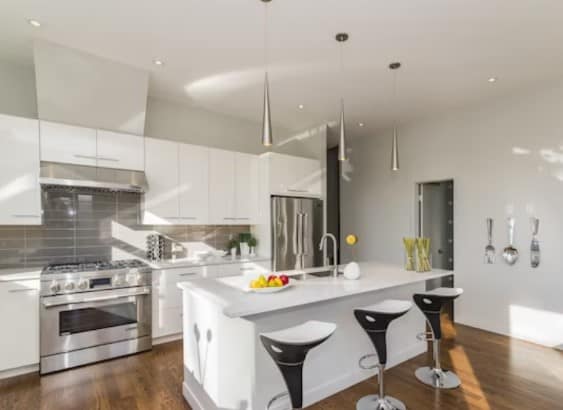

Your home doesn’t work the way it used to. Maybe the layout feels cramped or you’ve been living with that outdated kitchen too long. The question isn’t whether you need changes. It’s how much change makes sense for your life right now.
Whole-home remodeling transforms your entire house at once, while partial renovations focus on specific areas. Both approaches have their place, but the right choice depends on what you’re trying to accomplish. Understanding the differences helps you make a decision that fits your lifestyle and your Stuart home’s unique needs.
Understanding Whole-Home Remodeling
Whole-home remodeling means tackling your entire house in a single project. You’re reimagining how your whole house functions, from the layout to the finishes to how spaces connect with each other.
This approach makes sense when multiple areas need work or when you want to create a completely different feel throughout your home. Instead of living with mismatched updates from different decades, The Hyde Group LLC helps create a cohesive design that flows from room to room.
Some homeowners choose whole-home remodeling because they want everything finished at once. Others realize that fixing one area properly means addressing connected spaces. Your electrical system, plumbing, or structural elements often affect more than just the room you originally wanted to update.
What Partial Renovations Cover
Partial renovations focus your attention on specific areas. You might tackle just the master bathroom, update your kitchen, or add a room without touching everything else.
This targeted approach works well when you have clear priorities and other areas already function fine. Custom home renovations can range from single-room updates to multiple areas without requiring work throughout your entire house.
The benefit of partial renovations is control. You choose exactly which spaces get attention and which stay as they are. If your bedrooms work perfectly but your kitchen needs a complete overhaul, you focus resources where they matter most.
Lifestyle Disruption Levels
Living through whole-home remodeling means your entire house becomes a construction zone. Some homeowners temporarily relocate during major phases. Others find ways to live in one section while work happens in another. The disruption is significant but contained to a single timeline.
You’ll need to plan around limited access to different areas. Kitchens become unusable. Bathrooms might be out of commission. The intensity is higher, but at least you know when it will end. Once the project finishes, you’re done dealing with construction.
Partial renovations create focused disruption. If you’re remodeling your kitchen, that’s the area you work around. Your bedrooms and bathrooms stay functional. The tradeoff is that if you later decide to update other areas, you’ll go through construction again.
Timeline Considerations for Stuart Homes
Whole-home remodeling takes longer than partial projects. You’re coordinating work across multiple rooms and managing a bigger scope. The timeline stretches out, but when it’s done, everything is finished together.
Working with The Hyde Group LLC means your builder understands Treasure Coast conditions. Florida weather affects scheduling. Summer thunderstorms can delay exterior work. Experienced local builders factor these elements into realistic timelines.
Partial renovations move faster because the scope is smaller. A kitchen remodel takes less time than transforming your whole house. You see results sooner. The catch with doing things in phases is the total elapsed time. Renovating different areas over multiple years means construction becomes a longer part of your life.
Layout Reconfiguration Options
Some homes just don’t flow right. Rooms feel disconnected. Traffic patterns don’t make sense. Whole-home remodeling gives you the freedom to reimagine your entire floor plan without worrying about how changes in one area affect another.
You can knock down walls between your kitchen and living room to create open-concept entertaining spaces. Move doorways to create better traffic flow. Reconfigure bedroom layouts to add master closets or enlarge bathrooms.
Partial renovations can still involve layout changes, but they’re limited to specific areas. You might open up your kitchen to the dining room without touching the bedrooms. The changes stay focused on the spaces you’re updating.
Custom home additions offer another option when your layout problems stem from not having enough space.
Structural Updates and Hidden Systems
Older Stuart homes often need structural work that you can’t see. Outdated electrical systems that don’t meet current needs. Plumbing that should be replaced before it fails. HVAC systems running past their useful life.
Whole-home remodeling lets you address all these hidden issues at once. When walls are already open for other work, updating electrical and plumbing makes practical sense. You’re not paying to open the same walls twice. Everything gets modernized together.
This comprehensive approach means fewer surprises down the road. You won’t finish your beautiful new kitchen only to discover the electrical panel needs replacing. Everything gets evaluated and updated as part of the same project.
Partial renovations mean you only address systems in the areas you’re working on. Your new kitchen gets updated electrical, but the rest of the house keeps the old wiring.
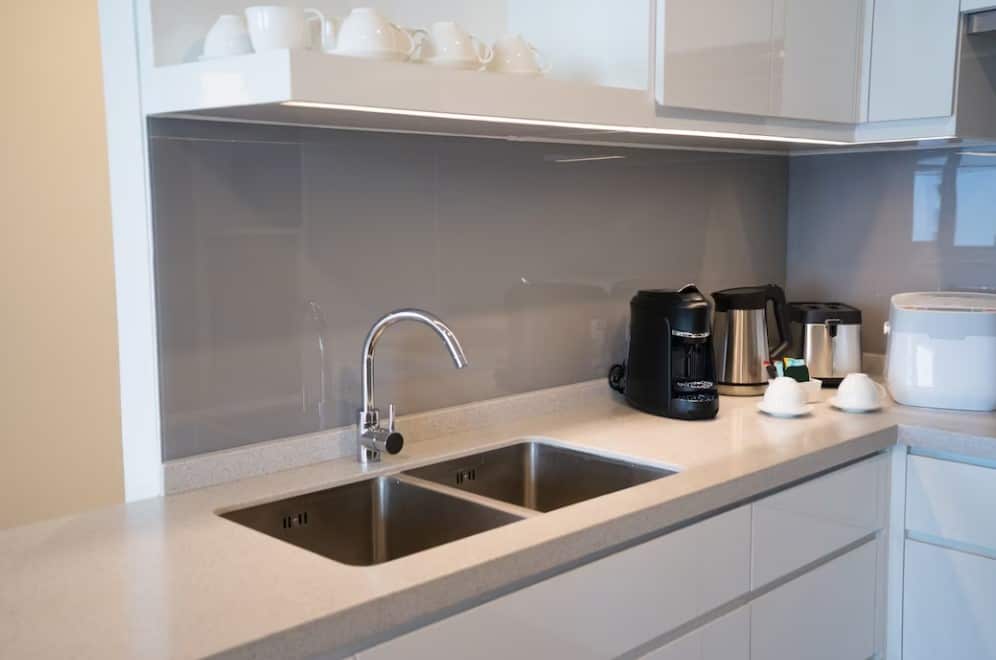
Making the Decision for Your Home
Think about what’s driving your renovation plans. Are you addressing one problem area or transforming how your whole house works? Is your goal fixing specific issues or creating an entirely different living experience?
If multiple systems need updating or several rooms require work, whole-home remodeling often makes more sense than doing separate projects spread over years. The disruption happens once instead of repeatedly.
The Hyde Group LLC works with Stuart homeowners to think through these decisions. Sometimes what starts as a single-room project expands when you realize how connected different areas really are. Your timeline matters too. If you need results quickly in one area, partial renovation might be the better path.
Getting Started with Your Remodel
Whether you’re considering whole-home remodeling or targeted updates, start by understanding what you’re trying to accomplish. How do you want your home to function differently? What problems are you solving?
Working with experienced custom home builders helps you think through options before committing to an approach. The right builder will ask questions about your lifestyle, timeline, and priorities to help you make an informed decision.
Ready to discuss your Stuart home’s remodeling options? Contact us to talk about whole-home transformations or focused renovations.
Frequently Asked Questions
How long does whole-home remodeling typically take?
Whole-home remodeling timelines vary based on your home’s size and scope of work. Comprehensive projects often take several months. Florida weather, material availability, and structural changes all affect scheduling. Your builder should provide a realistic timeline based on your specific project requirements.
Can I live in my home during whole-home remodeling?
Living in your home during whole-home remodeling depends on the project scope. Some homeowners stay and work around construction in different areas. Others temporarily relocate during major phases when essential spaces become unavailable. Planning ahead for how you’ll manage daily routines helps minimize disruption.
What’s involved in reconfiguring my home’s layout?
Layout reconfiguration can include removing walls, relocating doorways, or creating open-concept spaces. Structural changes require careful planning to maintain your home’s integrity. Your builder evaluates which walls are load-bearing and how changes affect systems throughout your house.
Should I update all rooms at once or focus on priority areas?
This decision depends on your home’s condition and lifestyle needs. If multiple areas need work or changes in one space affect others, whole-home remodeling often makes sense. If you have clear priorities and other areas function well, focused renovations let you tackle urgent needs first.